Indie apps: how to build, monetize and launch one in 2026
A practical guide to indie apps: what they are, how to find an idea that can pay, the business models that fit solo makers, a lean build mindset and a step-by-step launch plan.

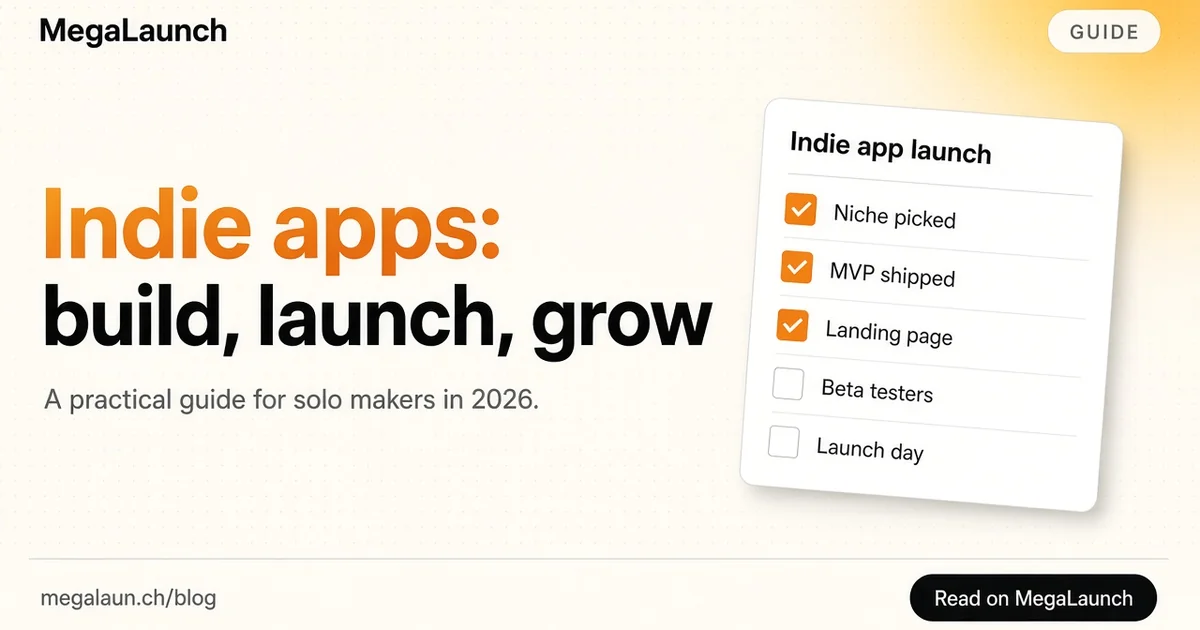
Indie apps are software products built and run by one person or a very small team, without venture capital or a big company behind them. They range from Mac utilities and habit trackers to niche SaaS tools and browser extensions. Many never become household names, but a good share of them pay their makers a solid income, precisely because they stay small, focused and cheap to run. This guide explains what makes an indie app work, how to pick an idea, the business models that fit, and how to launch so that people actually find it.
In this article9
What counts as an indie app
There is no official definition, but most indie apps share a few traits:
- Small team. Usually a solo developer, sometimes two or three people.
- Self-funded. Built with savings or revenue, not investor money, so the goal is profit rather than hypergrowth.
- Focused scope. The app does one job very well for a specific audience.
- Direct relationship with users. The maker answers support emails, reads reviews and ships fixes fast.
That last point is the unfair advantage. A large company cannot answer every user personally or ship a requested feature the same week. An indie maker can.
How to find an indie app idea that can work
The best indie apps solve a problem the maker knows well. Start with your own frustrations and the communities you belong to, then check three things:
- People already pay for a solution. Competition is a good sign. It proves demand exists. Look for an angle the big players ignore: a simpler workflow, a niche profession, a platform they do not support, or a one-time price instead of a subscription.
- You can reach the audience. If you cannot name three places where your future users hang out, marketing will be hard.
- You can build a first version in weeks, not months. A small scope lets you test the market before you are tired of the project.
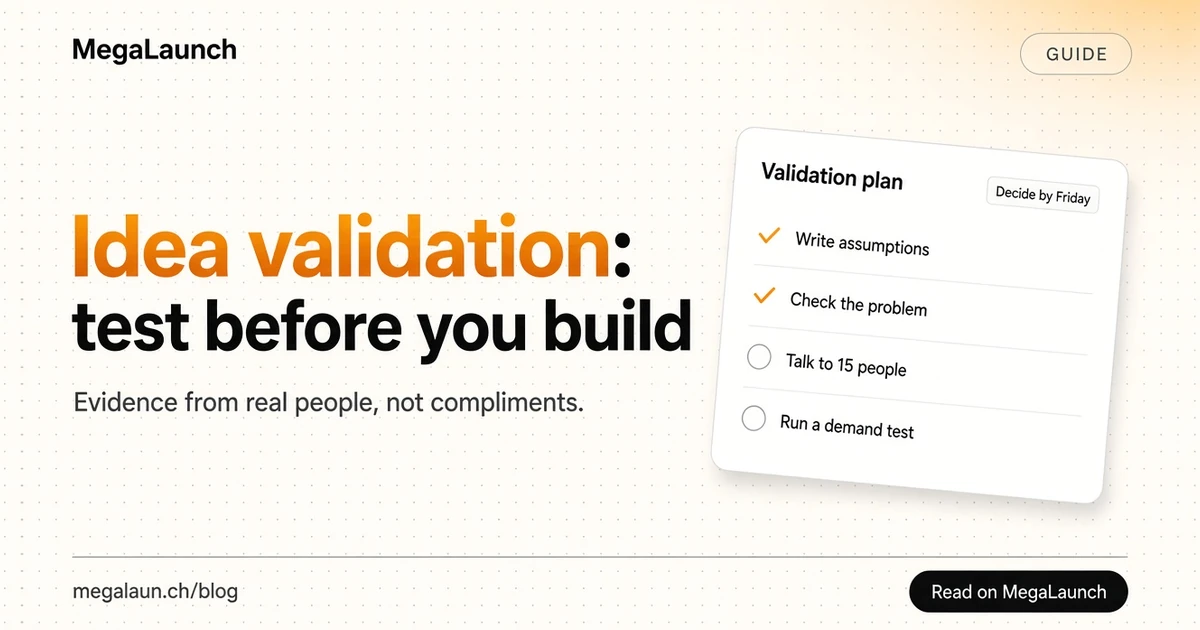
Communities like Indie Hackers are full of founders sharing revenue numbers, ideas and mistakes, which makes them a good place to check whether a market can support a small product. Before writing code, follow our idea validation guide to get real signals from potential users.
Business models that suit indie apps
Pick a model that matches how often people get value from your app.
| Model | Works well for | Watch out for |
|---|---|---|
| Subscription | Tools used every week, apps with ongoing costs (servers, AI) | Churn, and users tired of subscriptions |
| One-time purchase | Utilities, offline apps, desktop software | Revenue stops unless you ship paid upgrades |
| Freemium | Apps with a clear free core and a power-user tier | Too generous a free plan means nobody upgrades |
| Lifetime deal | Early cash and feedback before launch | Long-term support costs for users who never pay again |
For mobile apps, store fees matter. Apple's App Store Small Business Program lowers the commission to 15 percent for eligible developers earning up to 1 million US dollars a year, so enroll as soon as you publish. If you sell subscriptions in iOS and Android apps, a service like RevenueCat handles purchases, receipts and subscription status across both stores, so you do not have to build that plumbing yourself.
Building lean: the indie stack mindset
Indie apps win on focus, so keep the technical side boring:
- Use what you already know. The fastest framework is the one you can ship in today.
- Pay for managed services where failure is costly. Payments, authentication and email deliverability are not where you want to save a few dollars.
- Cut features ruthlessly. Ship the one workflow that solves the main problem. Everything else goes on a public roadmap.
- Automate support basics. A clear FAQ, an onboarding email and good error messages save hours each week.
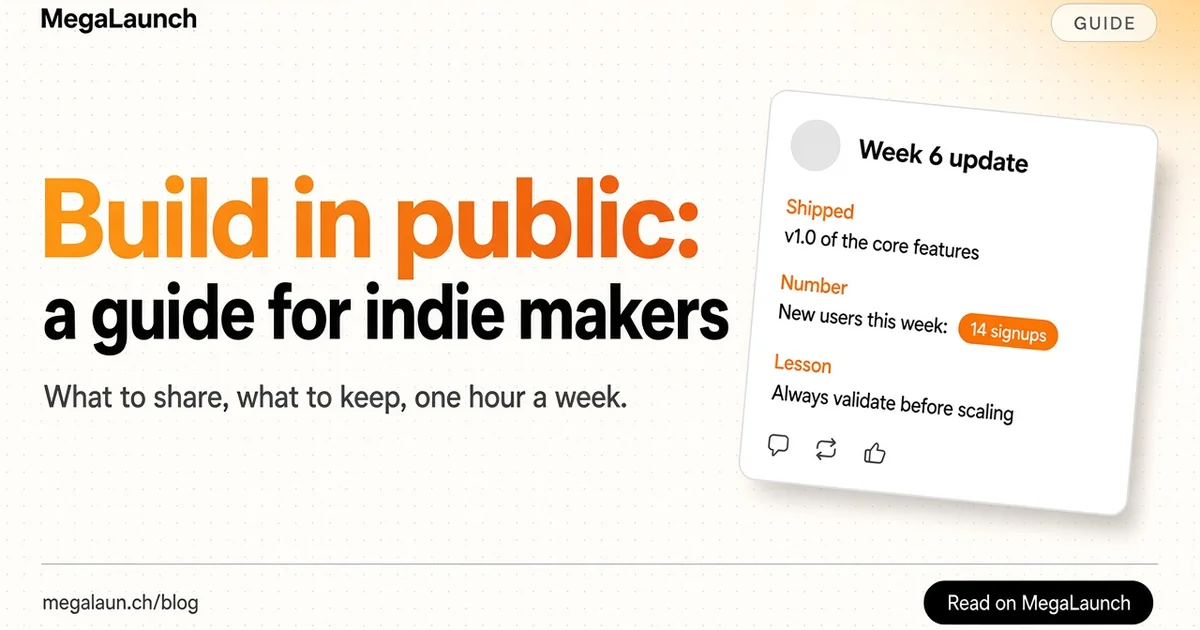
Many successful indie makers also build in public: sharing progress, numbers and lessons on social media. It builds an audience before launch day and keeps you accountable.
How to launch an indie app
A launch is not one day. It is a sequence that starts weeks before release.
Before launch
- Set up a landing page with a waitlist. Even a single page with a clear promise and an email field starts collecting interested users.
- Recruit beta testers. Platforms such as BetaList feature early-stage products and can bring your first testers. Ask each tester one concrete question rather than "any feedback?".
- Check store rules early. If you ship on iOS, read Apple's App Store Review Guidelines before submitting, so a rejection does not delay launch day.
- Prepare your assets. Screenshots, a short demo video, a tagline and a one-paragraph description you can reuse everywhere.
Launch week
- Post on launch platforms. Submit your app to launch directories where makers and early adopters look for new products. Spread submissions over several days so you can answer every comment.
- Share it with technical communities. If your app is interesting to developers, a Show HN post on Hacker News can bring thoughtful feedback. Follow the rules: it must be something people can try.
- Email your waitlist. Your warmest audience should hear first, with a direct link and a reason to try it today.
After launch
- Talk to your first users. Find out why they signed up and what almost stopped them.
- Fix the top friction point every week. Small, steady improvements beat a big redesign.
- Keep showing up. Write about what you learned, share updates and relaunch major versions.
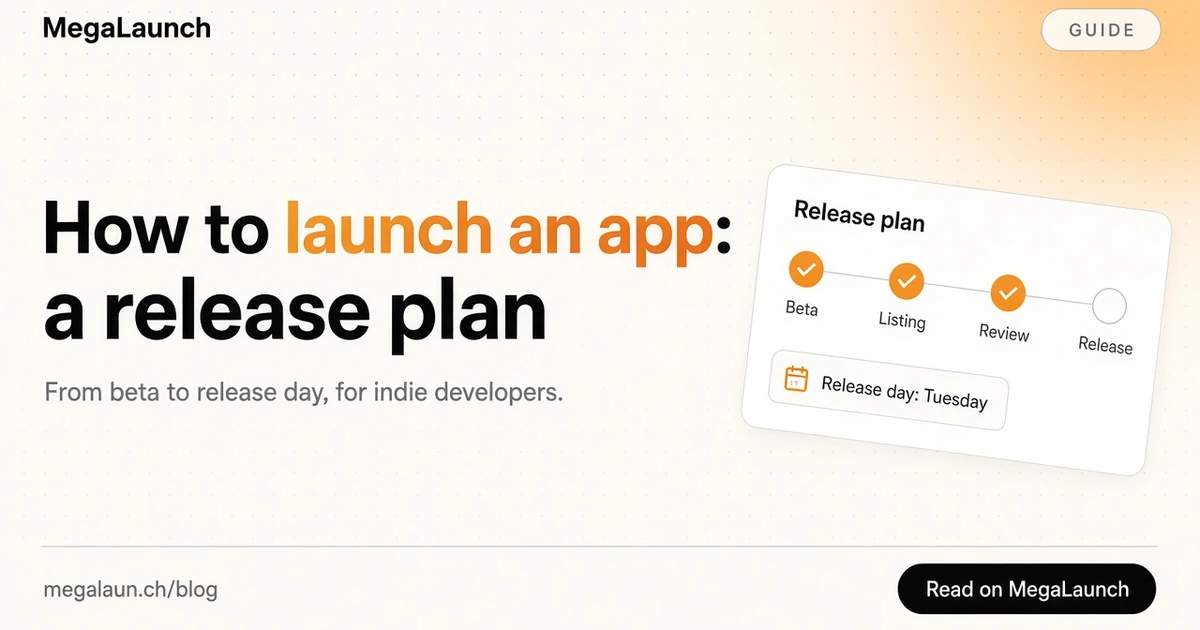
For a full timeline, see our guide on how to launch an app.
Mistakes indie makers often make
- Building for months in secret. By the time you launch, you have no audience and no feedback.
- Pricing too low. A price that feels cheap to you often signals low value to buyers, especially in B2B.
- Chasing every feature request. Say yes only to requests that fit the core problem and come from paying users.
- Ignoring distribution. A great app nobody hears about does not grow. Spend at least as much time on marketing as on code once you launch.
- Burning out. Indie apps are a long game. Set a pace you can keep for years.
Where to discover indie apps
If you are looking for indie apps rather than building one, follow maker communities, launch platforms and newsletters that feature new products. Supporting an indie app with a purchase or a review makes a real difference to a solo developer.
Summary
Indie apps succeed by staying small, focused and close to their users. Pick a problem you know, validate it before building, choose a business model that matches how often people get value, and keep your stack simple. Then launch in stages: waitlist, beta, launch week and steady improvement after. When your indie app is ready, submit it to MegaLaunch to put it in front of makers and early adopters.
Frequently asked questions
What is an indie app?
An app built and run by one person or a very small, self-funded team, focused on one job for a specific audience rather than on hypergrowth.
Can indie apps make money?
Yes. Many indie apps earn a steady income through subscriptions, one-time purchases or freemium plans, because their costs stay low and they serve a niche well.
What fee does Apple take from indie developers?
Developers in the App Store Small Business Program who earn up to 1 million US dollars a year pay a reduced 15 percent commission.
Where should I launch an indie app?
Start with your waitlist, then submit to launch platforms and maker directories, share it in relevant communities such as Show HN when it fits, and keep relaunching major versions.
Sources
 @matthias_mrc
Put it into practice. Launch your product.
A permanent page, a followed link to your site, and makers who vote for what they like.
- Free with a link back to MegaLaunch
- Premium: $14.99 one-time, no backlink needed
Done for you
We submit your product to 100+ dofollow directories.
From one brief, with a report for every directory. No badge needed on your site.


From$99one-time
See the plans